Epiphanies In the Middle of Chaos
Updated: Jan 11
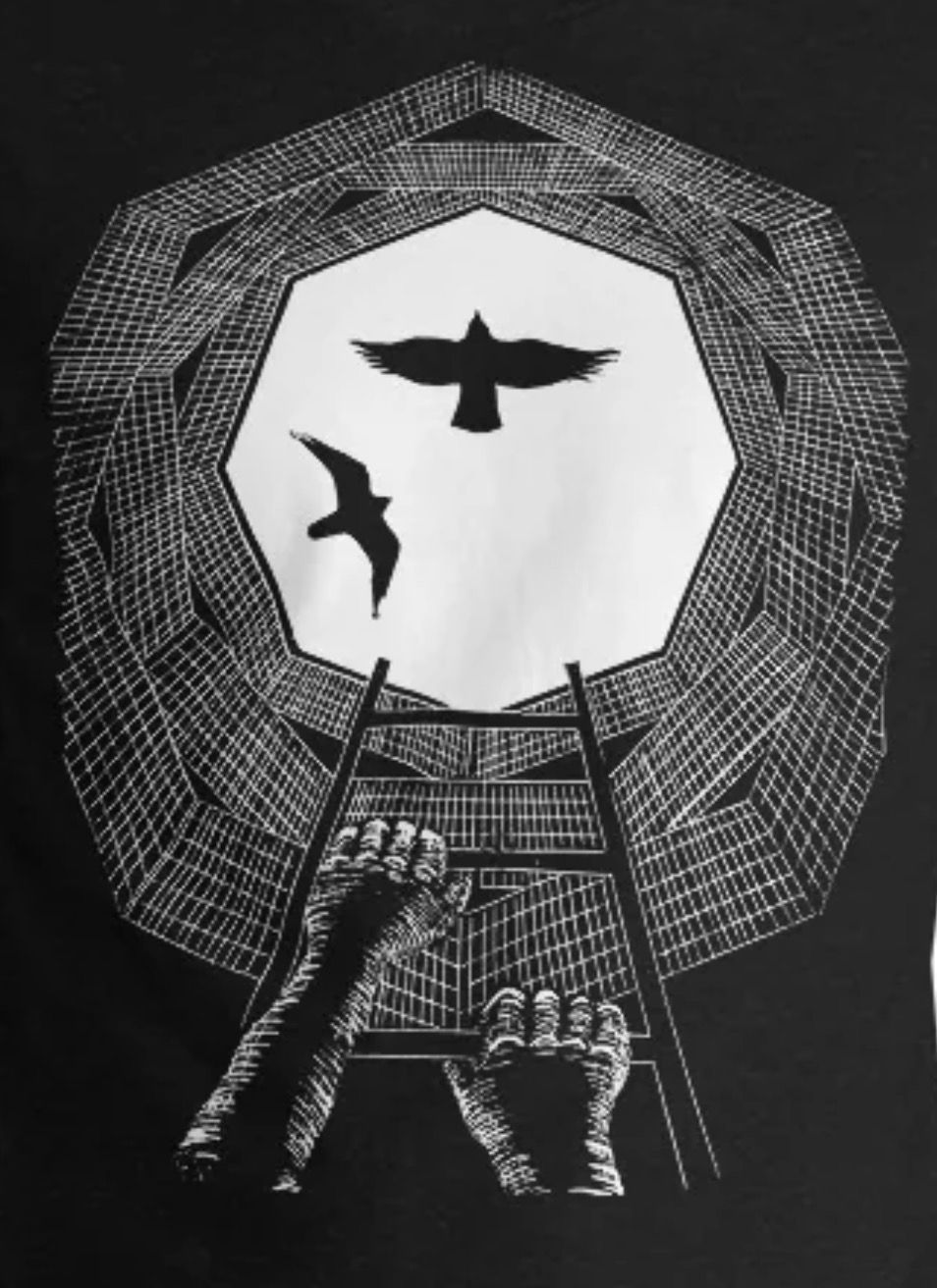
Life shifting epiphanies in the Chaos of a Maximum-Security Facility seems unfathomable. An environment where every human being, employees and incarcerated individuals, are in fight/flight/freeze mode is not the most fertile ground for deep reflection. Having facilitated discussions for the past 8 years in challenging environment, I have been privy to an incredible amount of wisdom garnered through lives lived through adverse, traumatic and at times tragic life experiences.
Recently, however, I bore witness to how one comment could ignite the heart, allowing the space for a conversation on mortality and making the most out of the time we have in this life. For the past seven weeks, a group of incarcerated men have been diving deeper into the impact of yoga on their lives using the "Yoga and Mindfulness Immersion Workbook" developed by Prison Yoga Project.
We began our session today by sharing acts of self-compassion and compassion we engaged in the previous week. Even in the confined area of this program, opportunities presented to engage in this practice, people sharing not only the act, but the somatic experience that flowed from engaging in acts of compassion. One person, who has taken the teachings in the immersion workbook along with much of the information the psychologists have allowed me to share previously to heart, talked about how much happier and lighter he felt daily.
We then moved on to Chapter 7 which focuses on Resilience and Rehabilitation and we discussed embodied awareness. I mentioned how my mental and physical awareness was heightened when, as an exercise prior to leading a 9-point death meditation, I lived as if I was going to die at 6:00 pm that evening. I talked about interactions I had that day, and the deliberate way I reacted to a variety of situations. I shared how I more easily differentiated between what was important to me and the mundane, how I was a little kinder, gentler, and smiled easier.
One of the participants, who does not share often, stopped me and said he wanted to discuss further this notion of how we may act if we knew death was imminent. He thought it was fascinating lens through which to look at his relationship with the world, one he had never envisioned. He wondered how he would act under those circumstances and talked about wanting to be surrounded for those last hours by family and loved ones. He yearned love and connection. There was a sadness that was evident from others in the group, I wondered how many were in the position of not being able to make that thought a reality.
If he knew death was imminent, he would let go of the mask woven from experiences growing up on the streets and living in institutional facilities. Living in a prison, he said, you must portray yourself in a certain way for respect and personal safety. He talked about letting go of his pride so that he could say things to those with whom he currently lives and express to them how he felt about them as people. He never was a teenager, his father was imprisoned when he was 14 or 15 years of age, so he adopted a gangster lifestyle and sold drugs to provide for his family.
I asked him what it would feel like if he let go of the mask, his response, a sense of relief, like a burden was lifted.
The rest of the group got very quiet. From their expressions and body language, they were moved by what they were hearing. There were smiles and nods of approval. We then talked about the reality of living in a facility, which I cannot even pretend to understand, and how a culture and community can be created to sustain a more balanced and healing environment if there was a reasonable level of trust. How consideration should be given, not only to the people in the pod, but the psychologists and correctional officers who spend time with them daily. Even in an environment where he could feel safe enough to share those words, he did not take the time to express how he felt about anyone, only the concept of death as a motivator for doing so.
I shared with them Tom Petty's song Walls. The lyrics about there being a barricade around our island (the heart) specifically to “keep out the danger and hold in the pain,” apply to human beings regardless of where they may live. A couple of the men said they resonated with that visual, having spent a major part of their lives actively building walls, but were fearful of tearing them down. I reminded them of how my own father’s upbringing in the home of a violent alcoholic had formed his belief system on suppressing emotions and the faux machismo which he tried to instill in us.
We ended our discussion reflecting on the reality that death is always a breath away. The Buddhist texts state that time of death is uncertain, but what we do know is that we get to decide how to act in the here and now. I thought to myself the amount of courage for him to say those words, a strength that should serve as an inspiration to us all. I didn’t get a chance to tell him so that on that day but will do so when the opportunity is appropriate and in a more private manner.
Although conversations about death and how to live life have been the subject of many writings and conversation for thousands of years in many segments of human society, it was unique in a correctional setting. I have only led the traditional Buddhist 9-point death meditation with a younger group of incarcerated people. The debrief conversation that ranged from fear of death to an acceptance of our mortality and the opportunity to live life in a meaningful way.
We must always navigate the balance between vulnerability and safety, and I find it valuable to discuss this openly, especially as a volunteer. As Dr. Sigifredo Castell Britton, the author of an excellent article on “Why Prison Often Fails to Change Behavior” posted 12/29/2025 in Psychology Today, recently wrote to me, “Meaningful change emerges when individuals feel seen, heard, and embodied again, even when trauma remains unnamed or unresolved. Conversations, breath, and movement often reopen pathways to self-recognition that institutional language alone cannot reach, especially for those who have long survived through disconnection.”
Creating connection through meaningful conversation is especially important in an environment where stress and fear permeate people's lives. Personal safety is always a concern. Not everyone at a facility is "doing the work" it takes to engage full throttle in a hero's journey facing of the "demons." There are mental health issues, deep trauma, lack of awareness of healing options and a pervasive feeling many people have that they are not worthy of peace. Sustainable change comes from shifts in the heart/mind.
From my experience of over forty years in all aspects of the justice system, If we want to genuinely address recidivism in corrections, half-way houses or probation, we must integrate a system designed for containment with one that nurtures heart-felt substantive change. Containment to compassion should be our aspiration, both systemically and within our own lives.
(Illustration above by Rolf Krissman, a past student of Prison Yoga Project Founder James Fox)#thriving #flourishingasaspiritualbeing #dothework #emotionalintelligence #beaware #increaseawareness #flourishing #humangrowth #discoveryourpotential #visionquest #connectwithyoursoul #developthemind #developtheheart #thrive #flourish #stateofmind #awareness #thrivingnotsurviving #beaware #mindfulliving #mindfullife #mindfulmoments #mindfulness #fourdoorsofspeech #share #shareyourstory #authenticity #beauthentic #ubuntu #substantivechange


Comments